Skip to content

Steven Burns · makerATL

AI is the instrument.Creativity is the fuel.Twenty-five years at the edges of technology decide what gets played.

I’ve spent my career exploring what new technology can do: streaming movies online in 2003, sensor-driven installations for national brands, and now AI. I experiment first, then conduct models and agents the way I’ve led teams: I choose the parts, write the rules, and decide what ships.

> ls ./work

Selected work

Products, pipelines, games and hardware. Some are live, some run on my own machines; each page says which and shows it working.

Spotlight · 2026 · newest build

Lull

Calm lost my wife’s prepaid year somewhere between her subscription and her Apple ID, and had no fix to offer. The irony wasn’t lost on us. What she actually used took a morning to rebuild. Within two days it had grown into a daily practice, shared hand to hand.

  • Calm lost her prepaid year and offered no fix; a working replacement took about an hour and a half
  • Rebuilt the ocean from recorded breaking waves after a guest said it sounded mechanical
  • A breathing practice with streaks, a daily goal, a moon calendar and Web Push nudges in each person’s time zone
> ls ./lab

From the lab

Smaller experiments and tools: where most of the bigger things started.

All experiments →

2026 · video · comfyui · ollama · web app

vidBridge

A usable local web app for making short AI films: GLM-5.1 turns a one-line spark into a storyboard, Qwen paints start and end frames, WAN 2.2 bridges them into clips, and a vision model reads each last frame to write the next shot. You direct camera, pacing and lighting per scene, then stitch and 4× upscale to an export, all through ComfyUI and Ollama.

3 more experiments in the Lab →

> whoami

Steven Burns

I’m Steven Burns. makerATL is the name I build under, out of Atlanta.

I’ve always worked at the edge of what the tools could do. In the early web that meant an on-demand movie service in 2003, years before streaming had a name, then HTML5 animation when Flash still ruled and a JavaScript green screen for photo booths. In experiential marketing it meant mobile escape rooms, a Final Four basketball simulation and custom sensor boards, with a team I built to make them.

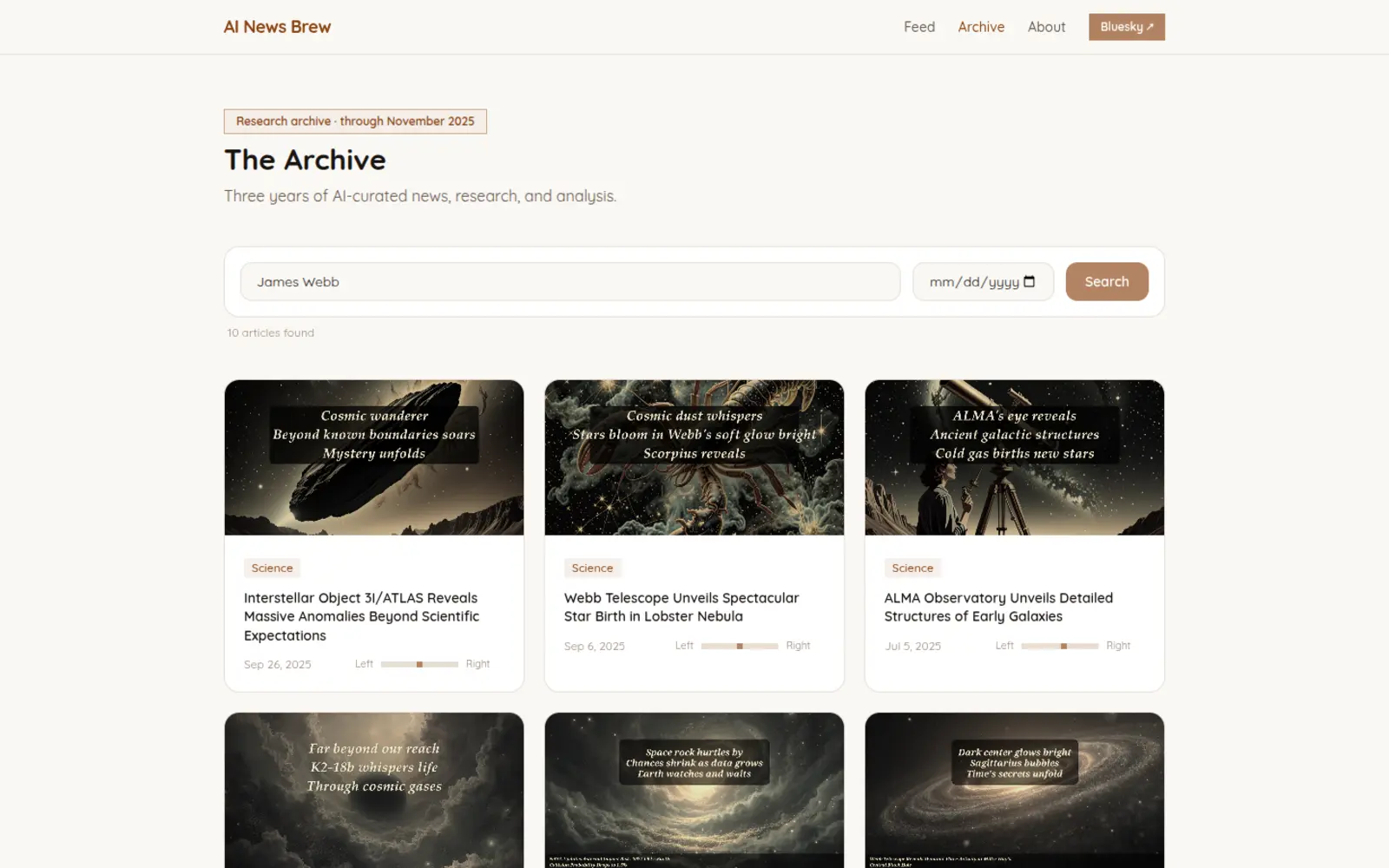
AI is the newest edge, and I explore it the same way: lots of divergent experiments, most of them small, a few of them the start of something bigger. AI News Brew began as a handful of Python tools; the Timberborn map tools began as curiosity about a file format. The experience is what tells me which experiments to keep.

By day that means AI products and agent tooling. After hours, the same curiosity goes into games, generative media and light installations around the house.

More about how I work →
  • Exploration and prototyping

    Fast, cheap experiments at the edge of what a new tool can do, so the promising directions show up early and the dead ends cost almost nothing. It’s how I’ve worked since the early web.

  • AI products, end to end

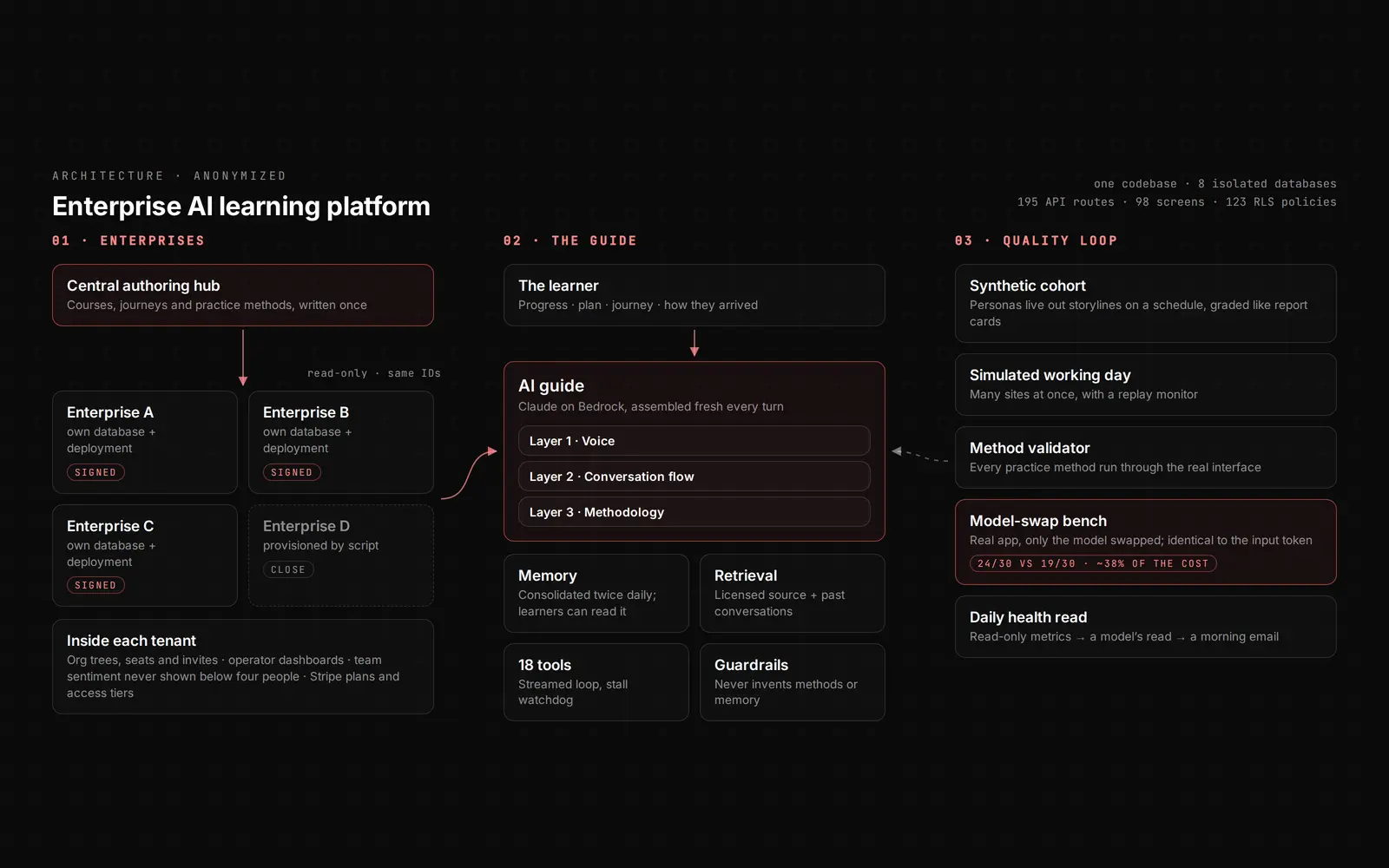
    I decide where a model earns its place in a real app, then build everything around it: prompt caching, tool gating, benchmarks and cost controls, plus the auth, payments and offline support a product needs.

  • Agents and tool ecosystems

    I write the MCP servers and tooling that let agents act on devices, media and data, and I put a confirmation step wherever an action reaches the outside world.

  • Local-first generative pipelines

    I orchestrate ComfyUI, Ollama and my own tooling for image, video, voice and music on my own GPUs, sequencing heavy models so one workstation runs them all: repeatable, scriptable and cheap.

  • Interactive and physical

    3D on the web, games and LED installations. Years of building live events taught me that the part people touch is the part that has to work.